TL;DR:
- Antique rugs require careful assessment of fibre type and dye stability before cleaning.
- Use gentle tools and pH-neutral agents, avoiding harsh chemicals and heat.
- Professional cleaning is recommended for valuable or fragile rugs to prevent irreversible damage.
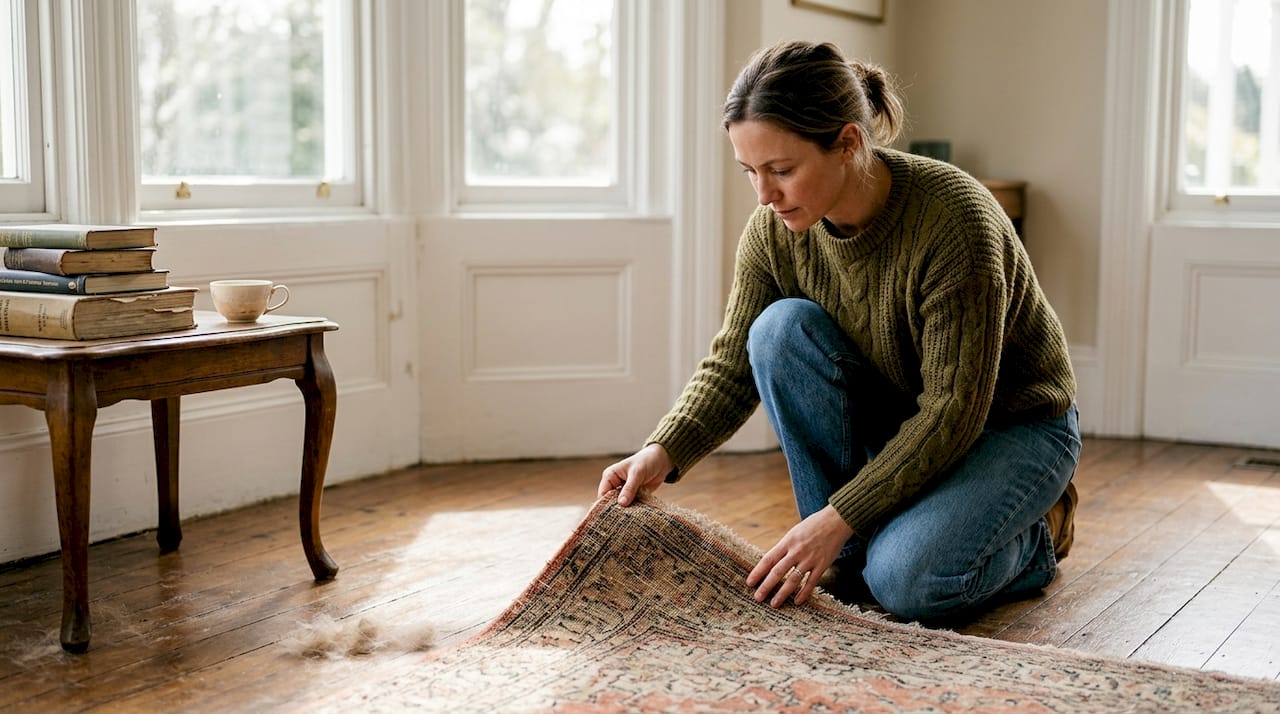
Antique rugs are not just floor coverings. They are woven histories, often irreplaceable and worth considerable sums. Yet many owners unknowingly cause permanent harm through well-meaning but misguided cleaning attempts. Improper cleaning reduces value and shortens the lifespan of these treasured pieces. The good news is that with the right knowledge, you can clean your antique rug safely and confidently. This guide walks you through every stage, from initial assessment to drying, so your rug retains its beauty, structure, and worth for decades to come.
Table of Contents
- Assessing your antique rug before cleaning
- Gathering the right tools and materials
- Step-by-step guide to cleaning antique rugs
- Common cleaning mistakes and troubleshooting
- What most guides overlook about antique rug cleaning
- Professional solutions for rug longevity
- Frequently asked questions
Key Takeaways
| Point | Details |
|---|---|
| Test before cleaning | Always examine your rug’s fibres, dyes, and condition before any cleaning attempt. |
| Use gentle materials | Choose soft tools and natural agents designed specifically for antique and delicate rugs. |
| Follow expert techniques | A step-by-step approach avoids mistakes and keeps your rug vibrant and valuable. |
| Avoid common errors | Never over-wet, scrub harshly, or use excessive heat as these can permanently damage your antique rug. |
| Professional help is available | For deep stains or sensitive pieces, trusted professionals can restore and preserve your rug’s beauty. |
Assessing your antique rug before cleaning
Before you reach for any cleaning product, take time to truly understand what you are dealing with. Antique rugs vary enormously in fibre content, dye type, weave structure, and age. Rushing into cleaning without this knowledge is where most damage begins.
Start by examining the fibres. Gently pull a small section of pile between your fingers. Wool fibres feel slightly coarse and springy. Silk is noticeably smoother and has a subtle sheen. Cotton is often used in the foundation rather than the pile. Each of these materials responds differently to moisture and cleaning agents, and specific cleaning approaches are required based on fibre, age, and weave.
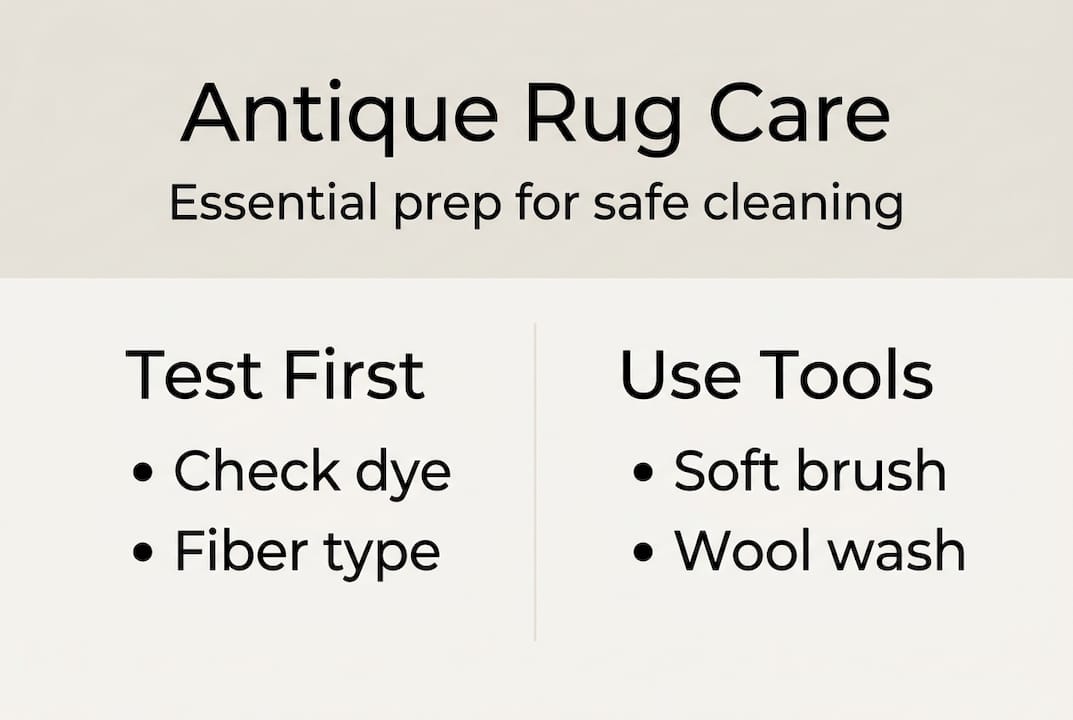
Next, test your dyes. Dampen a white cloth with cold water and press it firmly against a coloured section of the rug. If colour transfers to the cloth, the dyes are not stable. This is critical information. Unstable dyes will bleed or fade with any moisture, meaning wet cleaning could ruin the pattern entirely.
Also look carefully for signs of physical fragility:
- Thinning or bare patches where the pile has worn away
- Brittle or crumbling foundation fibres along the edges or back
- Moth damage, which appears as irregular bare patches, often with a dusty residue
- Previous repairs that may not withstand cleaning pressure
- Fading or discolouration suggesting prior sun exposure or chemical contact
| Rug feature | What to look for | Why it matters |
|---|---|---|
| Fibre type | Wool, silk, or cotton | Determines safe moisture levels |
| Dye stability | Colour transfer on damp cloth | Guides choice of cleaning method |
| Weave condition | Fraying, thinning, bare spots | Indicates fragility risk |
| Age and provenance | Origin, estimated age | Older rugs need gentler handling |
Pro Tip: If you are unsure of your rug’s origin or age, a reputable antique dealer or textile specialist can often provide a quick assessment. Knowing whether your rug is Persian, Turkish, or Central Asian can guide your cleaning decisions significantly, as regional weaving traditions use different natural dyes and knotting techniques.
Understanding your rug’s provenance also helps you gauge its monetary and sentimental value. A rug worth thousands deserves far more caution than a decorative reproduction. Take photographs before cleaning so you have a reference point for its pre-cleaned condition.
Gathering the right tools and materials
Once you know what you are working with, you need the proper supplies to avoid harming your rug. The wrong tools can cause as much damage as the wrong technique. Using harsh chemicals or abrasive tools risks permanent damage to delicate antique fibres.
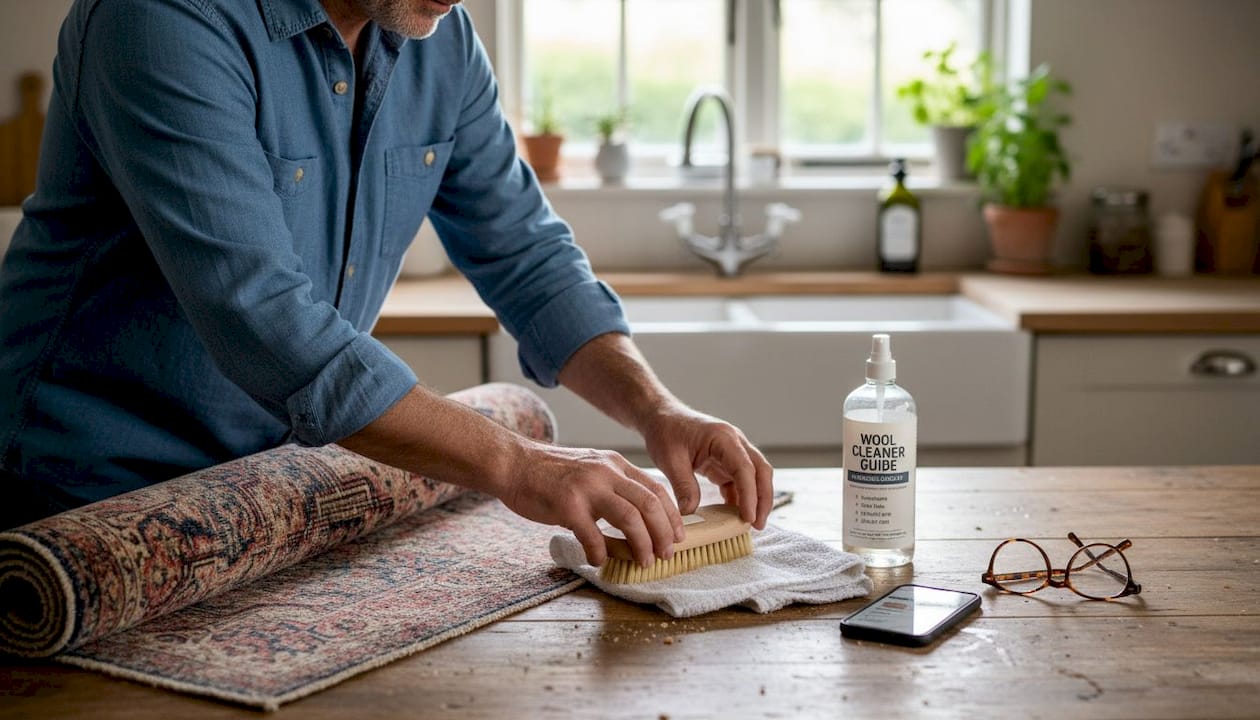
The good news is that effective and safe cleaning does not require expensive equipment. Most of what you need is gentle, low-tech, and readily available.
Recommended tools:
- Soft-bristled brush or a clean, dry paintbrush for dry debris removal
- Handheld vacuum with adjustable suction and a mesh screen or nylon stocking over the nozzle
- Several clean white cloths or microfibre towels
- A flat, clean surface for laying the rug during cleaning
- A fan or access to good air circulation for drying
Safe cleaning agents:
- Cold or lukewarm water (never hot)
- Mild, pH-neutral soap such as baby shampoo or a specialist wool wash
- White wine vinegar diluted in water for mild odour treatment
| Product type | Safe for antique rugs? | Notes |
|---|---|---|
| pH-neutral wool wash | Yes | Ideal for most natural fibres |
| Baby shampoo | Yes | Gentle and widely available |
| Biological detergent | No | Enzymes break down natural fibres |
| Bleach or whiteners | No | Destroys dyes and weakens fibres |
| Commercial stain sprays | Use with caution | Test on hidden area first |
| Steam cleaners | No | Heat and moisture damage antique rugs |
Pro Tip: Always perform a patch test before applying any cleaning agent to the full rug. Apply a tiny amount to an inconspicuous corner, wait five minutes, then blot with a white cloth. If any colour lifts or the fibre changes texture, do not proceed with that product.
For more guidance on choosing safe products, our DIY carpet cleaning tips cover a range of fibre-safe approaches you can adapt for rugs. Avoid anything labelled as a degreaser, heavy-duty stain remover, or enzyme-based cleaner. These are formulated for synthetic carpets and will harm natural antique fibres.
Step-by-step guide to cleaning antique rugs
With tools ready, follow these careful steps to clean your antique rug while safeguarding its value. Patience is essential here. Rushing any stage increases the risk of damage.
- Remove loose dirt first. Take the rug outside and gently shake it. Then lay it flat and use your soft brush to loosen surface debris, working in the direction of the pile. Follow with a low-suction vacuum covered with a mesh screen to protect the fibres.
- Check the back of the rug. Vacuum the reverse side gently as well. Dirt trapped in the foundation can act like sandpaper, slowly grinding fibres from the inside out.
- Spot-clean stains carefully. Mix a small amount of pH-neutral soap with lukewarm water. Dampen a white cloth and blot the stain from the outer edge inward. Never rub. Rubbing spreads the stain and distorts the pile.
- Rinse the treated area. Use a second cloth dampened with plain cold water to remove any soap residue. Soap left in the fibres attracts more dirt over time.
- Dry thoroughly and quickly. Lay the rug flat in a well-ventilated area away from direct sunlight. Use a fan to speed drying. Never fold or roll a damp rug, as this encourages mould growth and permanent creasing.
“Gentle cleaning practices can extend rug lifespan and preserve colours for generations.”
Pro Tip: If your rug has unstable dyes, skip wet cleaning entirely. Dry methods such as brushing and low-suction vacuuming are far safer. For deeper cleaning of dye-sensitive rugs, consult a specialist rather than risking colour bleed.
For broader context on safe carpet cleaning methods, understanding how different approaches interact with natural fibres will help you make better decisions for all your textile floor coverings.
Common cleaning mistakes and troubleshooting
Even with careful technique, mistakes happen. Here is how to avoid and address them.
The most frequent errors owners make when cleaning antique rugs include:
- Over-wetting the rug, which causes the foundation to shrink, dyes to bleed, and mould to develop beneath the surface
- Scrubbing stains vigorously, which breaks down fibre structure and permanently distorts the pile
- Using hot water, which sets protein-based stains and causes wool to felt
- Drying in sunlight, which fades natural dyes rapidly and unevenly
- Using a standard upright vacuum without a mesh guard, which can pull loose fibres and fray edges
“Over-wetting, harsh scrubbing, or heat can cause irreparable damage to antique rugs.”
If you notice that a stain has spread after cleaning, do not panic. Allow the area to dry completely before attempting any further treatment. Wet fibres are far more vulnerable, and working on them again immediately will worsen the problem. Once dry, reassess and blot again with plain cold water.
If you have accidentally over-wetted a section, lift the rug immediately and place dry towels beneath it to absorb moisture from below. Use a fan directed at the wet area and check underneath for any moisture that has reached the floor.
For rug maintenance advice on ongoing care between cleans, regular gentle vacuuming and rotating the rug every six months to even out wear are two simple habits that significantly extend its life.
Pro Tip: If you notice a musty smell after cleaning, the rug has not dried quickly enough. Mould can develop within 24 hours in damp conditions. If the smell persists after thorough drying, professional treatment is necessary to prevent further deterioration.
Know when to stop and call a professional. If your rug has significant moth damage, deep-set stains, structural fragility, or unstable dyes, home cleaning carries too much risk. The cost of professional care is always less than the cost of irreversible damage.
What most guides overlook about antique rug cleaning
Most cleaning guides treat antique rugs as slightly more delicate versions of standard carpets. In our experience, this fundamentally misunderstands the problem. Antique rugs are aged textiles, and aged textiles behave unpredictably. A cleaning method that works perfectly on one 100-year-old Persian rug may cause immediate dye bleed on another from the same region and era.
Internet cleaning hacks are particularly risky. Baking soda, vinegar at full strength, and dish soap are all regularly recommended online, yet each carries real risk for antique fibres and natural dyes. The people sharing these tips are rarely working with genuinely antique pieces.
We also see owners underestimate the cumulative effect of repeated gentle cleaning. Each wash, however mild, removes a small amount of natural lanolin from wool fibres. Over time, this makes the rug more brittle and less resilient. Less frequent cleaning combined with professional carpet cleaning at appropriate intervals is almost always the smarter strategy for preserving long-term value.
Professional solutions for rug longevity
Sometimes the most protective thing you can do for an antique rug is to hand it to someone with the right equipment and expertise. Our professional services are designed specifically for owners who want results without the risk.

We offer specialist rug cleaning Edinburgh services that account for fibre type, dye stability, and rug age before any cleaning begins. Whether your rug needs a routine refresh or targeted stain treatment, our approach prioritises preservation above all else. You can also explore the difference between home and professional rug care to decide which suits your situation. For practical guidance you can act on straight away, our detailed carpet tips are a useful starting point.
Frequently asked questions
How often should antique rugs be cleaned?
Antique rugs generally benefit from gentle cleaning every 12 to 18 months, though rugs in high-traffic areas may need attention sooner. A proper cleaning schedule helps extend rug lifespan without over-stressing the fibres.
Can I use commercial rug cleaning products on antique rugs?
Most commercial products are too harsh for antique rugs because harsh chemicals harm sensitive natural fibres and dyes. Always check fibre and dye compatibility with a patch test before applying anything new.
Is professional cleaning necessary for antique rugs?
Professional cleaning is strongly recommended for valuable, fragile, or heavily soiled antique rugs, as expert cleaning preserves both condition and monetary value far more reliably than home methods.
What is the safest way to remove stains from an antique rug?
Blot stains gently with a soft white cloth and lukewarm water, working from the outer edge inward. Gentle blotting prevents the permanent fibre distortion that scrubbing causes.
Recommended
- How to Care for your Wool Carpets and Rugs — I-Care Cleaning Services
- Rug Cleaning Glasgow | Professional Rug Cleaners Glasgow
- Top Carpet Cleaning Tips & Tricks: DIY Methods With Professional Results — I-Care Cleaning Services
- Self-cleaning carpets vs professional Residential Carpet Cleaning — I-Care Cleaning Services